
Evoke plc Eyes £225 Million All-Share Takeover from Greece's Bally’s Intralot as Debt and Tax Pressures Mount
The Takeover Approach Unfolds
Evoke plc, the UK powerhouse behind William Hill's high-street betting shops and the 888 online casino and poker empire, now faces a pivotal moment as Greece's Bally’s Intralot floats a £225 million ($303.88 million) bid for its entire share capital; this all-share proposal, complete with a partial cash alternative, arrives non-binding for now, yet it demands Bally’s Intralot confirm intentions by May 18, 2026, under strict UK Takeover Panel rules that keep the clock ticking relentlessly.
What's interesting here is how this approach lands right in the thick of Evoke's strategic review, a process that's been grinding along amid towering financial headwinds; observers note that such bids often signal deeper industry shifts, especially when companies like Evoke grapple with £1.8 billion in debt while eyeing the horizon where UK remote gaming duties spike to 40% come April 2026.
And while the deal remains preliminary, Evoke's board has already looped in heavyweights Morgan Stanley and Rothschild & Co for advice, turning what could be a lifeline into a meticulously weighed option that balances shareholder value against operational realities.
Evoke's Portfolio: From High Streets to Digital Dominance
Those who've tracked the UK gambling scene know Evoke plc as the entity that scooped up William Hill's retail arm back in 2022 for £1.95 billion, a move that layered brick-and-mortar betting shops onto its existing 888 holdings; today, this blend powers thousands of physical locations across the UK alongside a robust online presence where 888's casino games and poker tables draw players from poker pros to casual spinners.
But here's the thing: Evoke's footprint extends further, encompassing sports betting platforms and live casino offerings that have weathered regulatory storms; data from recent filings reveals steady revenue streams, yet those £1.8 billion debt piles—stemming largely from acquisition financing—cast long shadows, particularly as affordability checks and stake limits loom larger on the regulatory radar.
Take one snapshot from Evoke's latest reports: retail betting via William Hill generated solid footfall even post-pandemic, while 888's online verticals adapted swiftly to mobile-first demands; still, the convergence of high debt servicing costs and impending tax hikes has experts watching closely, since April 2026's 40% remote gaming duty could squeeze margins in ways that offline shops might dodge.
Bally’s Intralot Steps into the Ring
Greece-based Bally’s Intralot, a player with deep roots in lottery systems and gaming tech, now eyes expansion into the UK's crowded market through this bold share-for-share gambit; known for powering lotteries across Europe and beyond, the firm brings a tech-savvy edge, having integrated sports betting and casino platforms in regulated jurisdictions where compliance meets innovation.
Turns out, Bally’s Intralot's track record includes partnerships with major operators, deploying real-time wagering systems that handle millions in transactions daily; this bid, valued at roughly 52 pence per Evoke share based on current metrics, positions it as a consolidator aiming to mesh Evoke's brands into a broader portfolio that spans continents.
The partial cash alternative sweetens the pot for some shareholders, offering flexibility in a deal that's all about synergies—think William Hill's loyal punters paired with Intralot's backend prowess; yet, with the UK Takeover Panel mandating a firm stance by mid-2026, Bally’s Intralot holds the ball in its court, needing to flesh out terms amid Evoke's ongoing evaluation.
Financial Pressures Driving the Strategic Pivot
Evoke's £1.8 billion debt load, accrued through high-profile buys like the William Hill deal, now presses hard as interest rates linger and revenue growth moderates; figures from company disclosures show net debt eclipsing equity, a ratio that's drawn activist investor scrutiny and fueled calls for divestitures or outright sales.
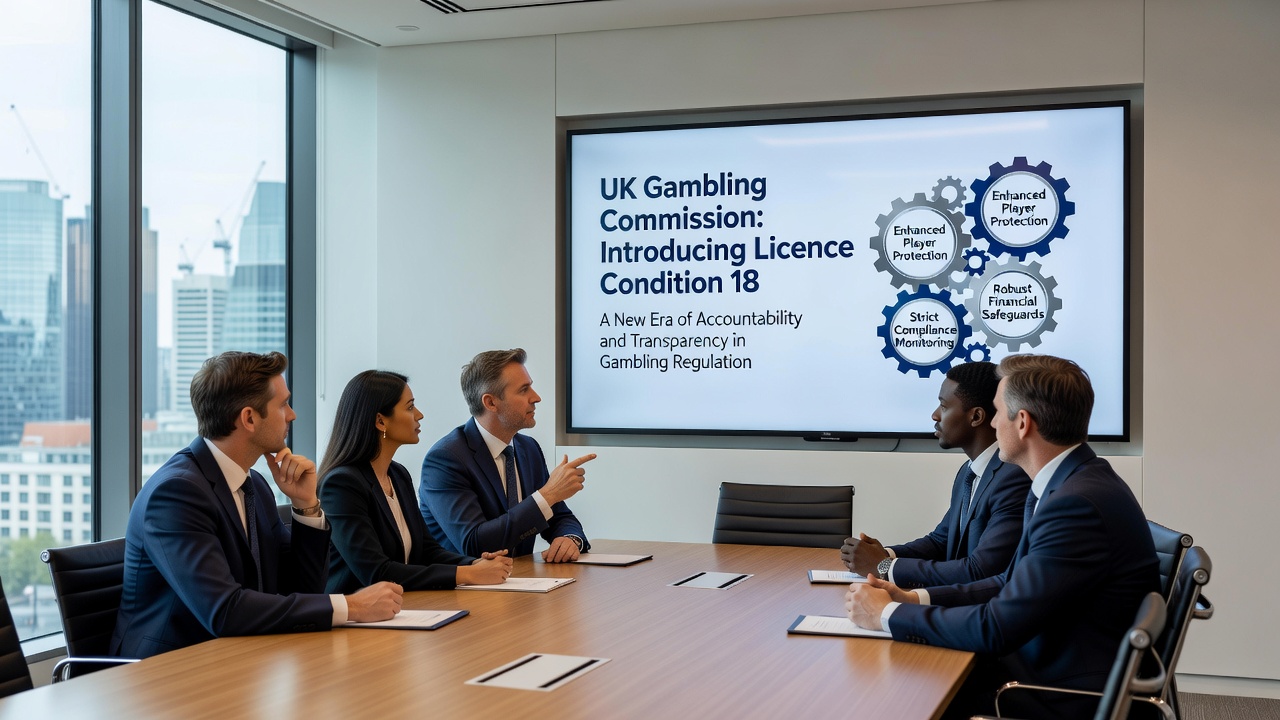
Now, layer on the UK's regulatory overhaul: April 2026 brings not just the 40% remote gaming duty hike—from the current 21%—but also enhanced financial vulnerability checks that could cap deposits for at-risk players; researchers who've modeled these changes predict a 10-15% hit to online operators' profits, hitting digital-heavy players like 888 hardest while retail like William Hill weathers it better through lower duties on land-based play.
That's where the rubber meets the road for Evoke's strategic review, launched months back to explore options from asset sales to full mergers; this Bally’s Intralot approach fits neatly, potentially offloading debt burdens via share swaps while unlocking value in underperforming units, although shareholders will parse every clause come the formal offer stage.
Advisors and Timeline: A Methodical March Forward
Morgan Stanley and Rothschild & Co, with their storied track records in gaming M&A, now guide Evoke through this maze; past deals they've steered—like Ladbrokes-Coral mergers—highlight their knack for maximizing premiums under Panel oversight, ensuring bids like this one evolve from "possible" to "probable" with data-driven valuations.
Under UK Takeover Panel protocols, Bally’s Intralot's deadline looms large at May 18, 2026—eighteen months out, giving ample time for due diligence yet pressuring quick intent signals; the Regulatory News Service statement on the approach underscores this formality, detailing the non-binding nature while flagging potential share issuances that could dilute or empower new stakeholders.
So far, Evoke shares have ticked up modestly on the news, reflecting market bets on deal prospects; analysts tracking iGaming consolidations point to similar cases, like recent US-UK tie-ups, where all-share structures preserved cash for growth amid fiscal squeezes.
Broader Industry Ripples
This bid stirs echoes across the sector, where debt-laden firms eye Greek and US suitors for scale; Bally’s Intralot's push aligns with trends of cross-border tech infusions, especially as AI-driven personalization and compliance tools become table stakes in a post-2026 landscape.
People who've studied UK gambling evolutions note how tax hikes target online remote activity to level the playing field with physical venues; for Evoke, blending William Hill's 2,400+ shops with 888's 3 million active users offers a hybrid model that Bally’s Intralot could turbocharge, potentially fending off pure-play disruptors.
Yet, hurdles persist: antitrust reviews, shareholder votes, and integration risks loom, much like in prior mergers where cultural clashes slowed synergies; still, the math checks out on paper, with £225 million implying a tidy exit premium over recent trading levels.
Conclusion
As Evoke plc mulls this £225 million lifeline from Bally’s Intralot, the stakes feel sky-high—not just for William Hill's high-street heartbeat or 888's digital pulse, but for an industry bracing for 2026's tax thunderclap; with Morgan Stanley and Rothschild & Co charting the course and the Takeover Panel enforcing deadlines, the next moves will reveal whether consolidation trumps independence in a debt-choked, duty-hiked era.
Observers await Bally’s Intralot's confirmation by May 2026, a date circled in red amid strategic reviews that could reshape UK betting's map; for now, the all-share blueprint with cash opts hangs in balance, promising fresh capital flows if synergies ignite as planned.